Underbrush Clearing in Utah County, UT
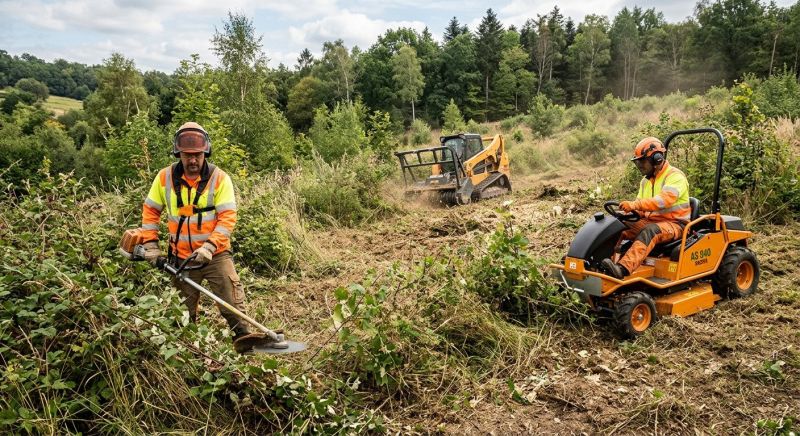
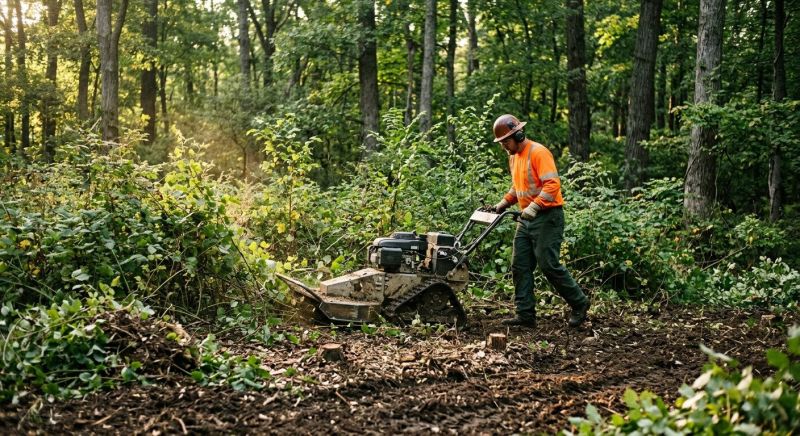
Underbrush clearing services involve removing dense, unwanted vegetation such as shrubs, small trees, and overgrown brush from residential properties. This work is often requested for projects like creating open lawn space, preparing land for gardening or construction, or reducing fire hazards. Property owners typically want to understand the extent of clearing needed, the types of vegetation involved, and how the process can improve safety, aesthetics, or usability of the land before requesting services.
Before requesting underbrush clearing, homeowners should consider the size of the area, the types of plants or debris to be removed, and any local regulations regarding vegetation removal. It’s also helpful to clarify whether the work includes disposal or hauling away of debris, as well as any access considerations that might affect the scope of the project. Clear communication about these details can ensure the service meets the specific needs of the property.
Many property owners in Utah County, UT look into Underbrush Clearing for repairs, replacements, upgrades, and appearance-related improvements.
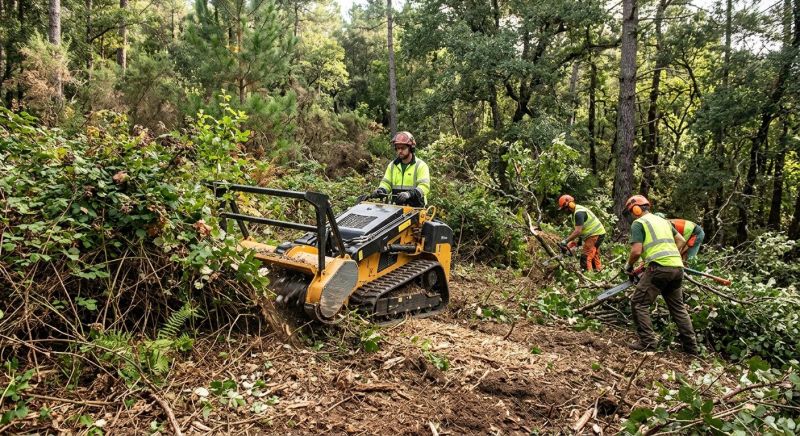
Clear Overgrown Areas
Removing dense underbrush to improve safety and accessibility around your property.
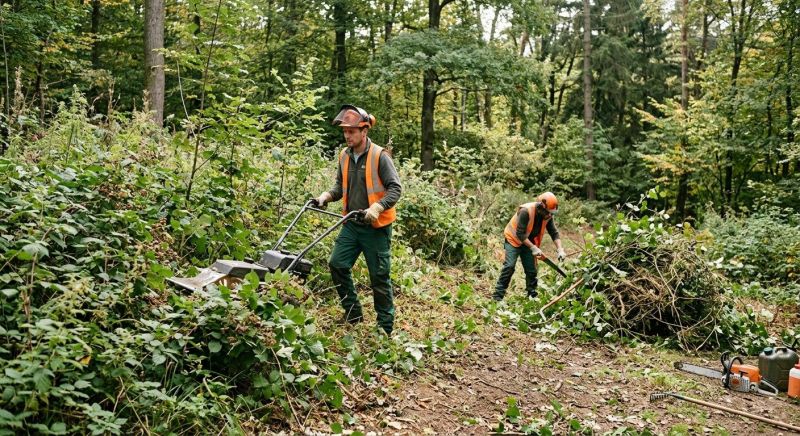
Prepare Land For Projects
Creating a clean and manageable space for landscaping, construction, or farming in utah county and nearby areas.
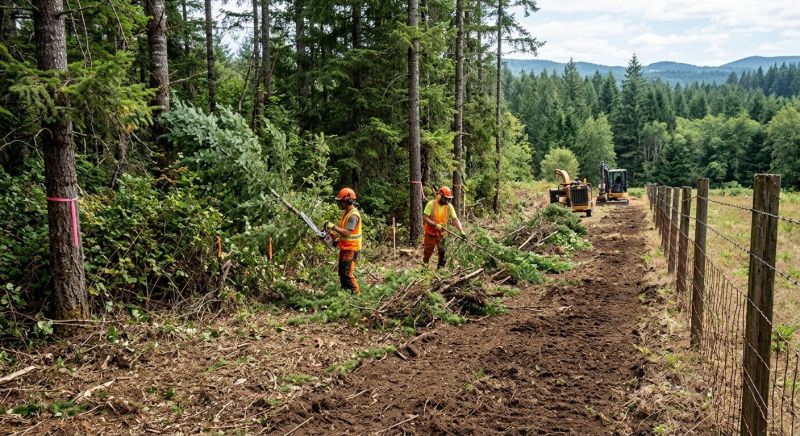
Maintain Property Aesthetics
Controlling underbrush to enhance the appearance and value of residential and commercial properties.
Underbrush Clearing in Utah County, UT
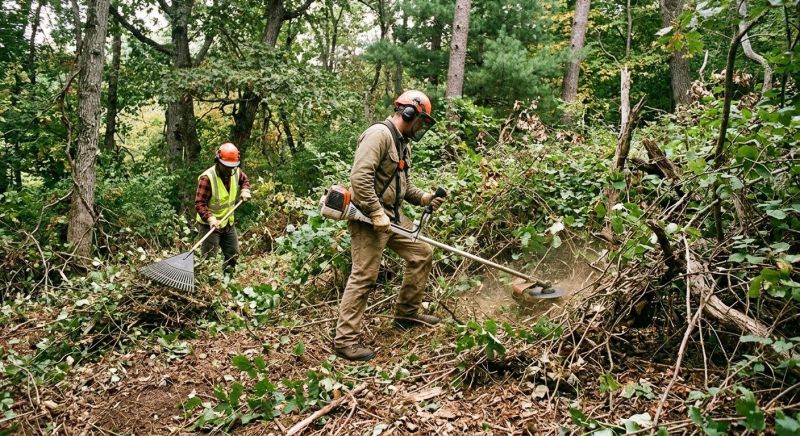
Underbrush clearing services involve removing dense, unwanted vegetation such as shrubs, small trees, and overgrown brush from residential properties. This work is often requested for projects like creating open lawn space, preparing land for gardening or construction, or reducing fire hazards. Property owners typically want to understand the extent of clearing needed, the types of vegetation involved, and how the process can improve safety, aesthetics, or usability of the land before requesting services.
Before requesting underbrush clearing, homeowners should consider the size of the area, the types of plants or debris to be removed, and any local regulations regarding vegetation removal. It’s also helpful to clarify whether the work includes disposal or hauling away of debris, as well as any access considerations that might affect the scope of the project. Clear communication about these details can ensure the service meets the specific needs of the property.
Many property owners in Utah County, UT look into Underbrush Clearing for repairs, replacements, upgrades, and appearance-related improvements.
Common Underbrush Clearing Jobs
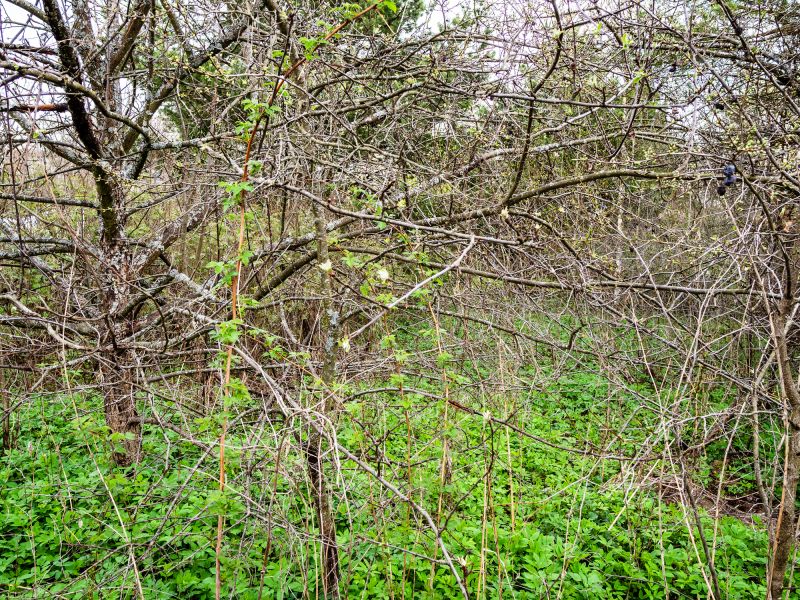
Underbrush Clearing - removes overgrown plants and dense shrubbery to improve yard visibility.
Firebreak Creation - clears underbrush to reduce fire hazards and create defensible space.
Pathway and Access Clearing - opens up trails and access routes through thick undergrowth.
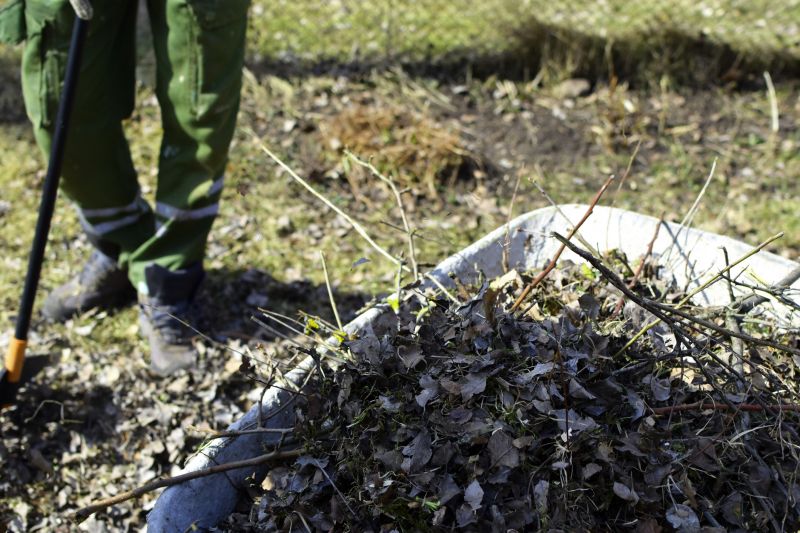
Property Maintenance - maintains a tidy landscape by removing unwanted underbrush and debris.
Landscaping Preparation - clears underbrush to prepare terrain for planting or new construction.
Wildfire Risk Reduction - reduces combustible materials to help protect homes and structures.
Underbrush Clearing Questions
What is underbrush clearing? Underbrush clearing involves removing dense shrubs, small trees, and thick vegetation to improve land accessibility and appearance.
Why should property owners consider underbrush clearing? Clearing underbrush helps reduce fire hazards, improves property aesthetics, and creates space for landscaping or other projects.
What types of projects benefit from underbrush clearing? Residential yards, commercial properties, trail maintenance, and land development projects often require underbrush removal.
Is underbrush clearing suitable for all types of land? Most types of land with dense vegetation can benefit from underbrush clearing to enhance usability and safety.
Request Underbrush Clearing in Utah County, UT
Use the quote form on this page to share the basics of your project and request more information for the type of work you need.