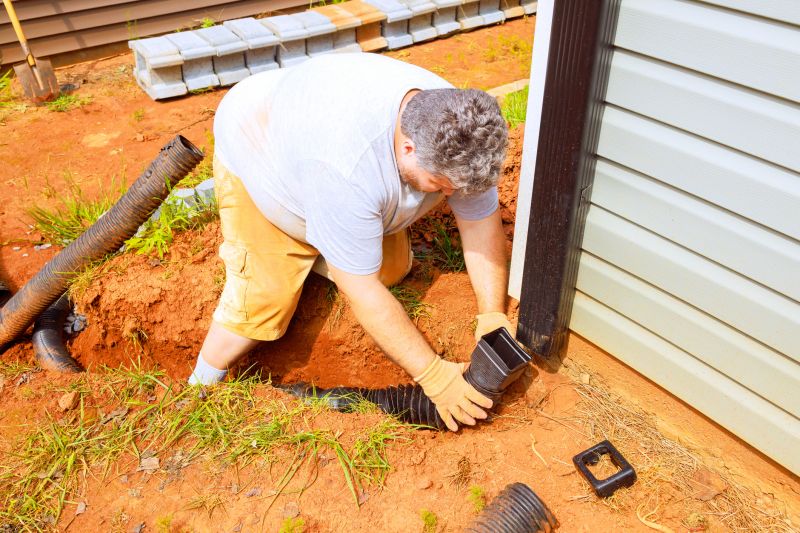
Downspout Trenching in Houston, TX
Downspout trenching services involve excavating a narrow channel from a building’s downspout to an appropriate drainage area, helping to direct rainwater away from the foundation and prevent water damage. This service is commonly used during gutter installation or replacement projects, as well as when existing drainage systems need to be extended or improved. Property owners typically request trenching to ensure proper water flow, reduce soil erosion around the property, and protect the structural integrity of the home.
Before requesting downspout trenching, homeowners should consider the layout of their property, including the location of existing drainage pathways and nearby landscaping or utilities. It’s important to determine the best drainage destination, such as a storm drain, yard drain, or dry well, to ensure effective water management. Clear communication about the property’s terrain, drainage goals, and any underground utilities can help facilitate a smooth trenching process and ensure the system functions as intended.
Many property owners in Houston, TX look into Downspout Trenching for repairs, replacements, upgrades, and appearance-related improvements.
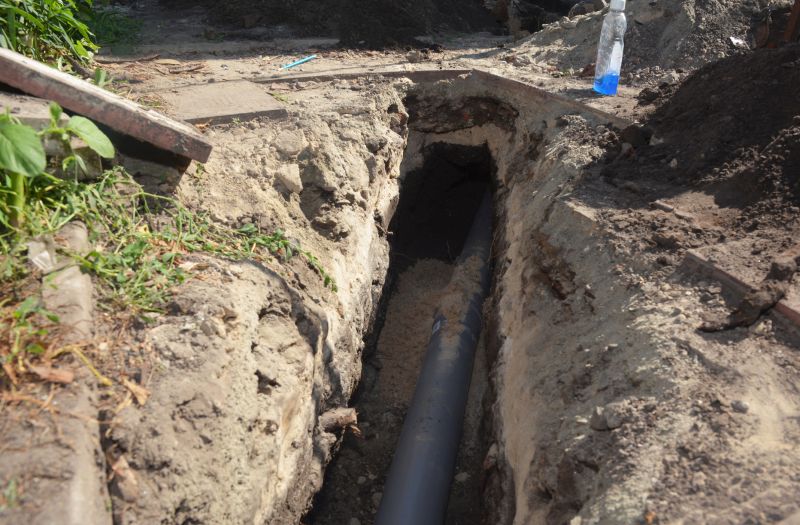
Proper Drainage Solutions
Downspout trenching helps direct rainwater away from foundations and landscaping.
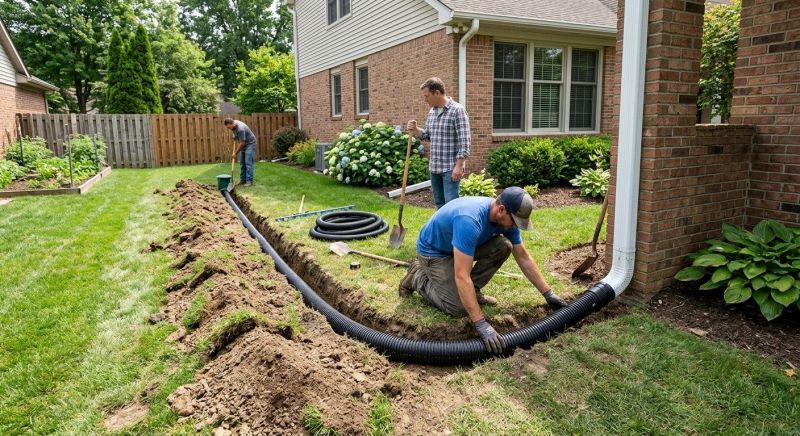
Foundation Protection
Installing trenches for downspouts reduces the risk of water damage to houston homes.
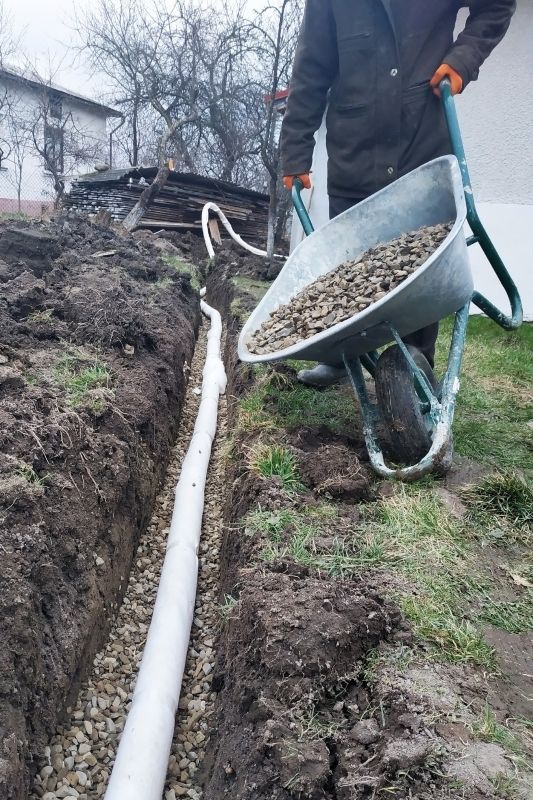
Custom Trenching Options
Trenching services can be tailored to fit various property layouts and drainage needs.
Downspout Trenching in Houston, TX
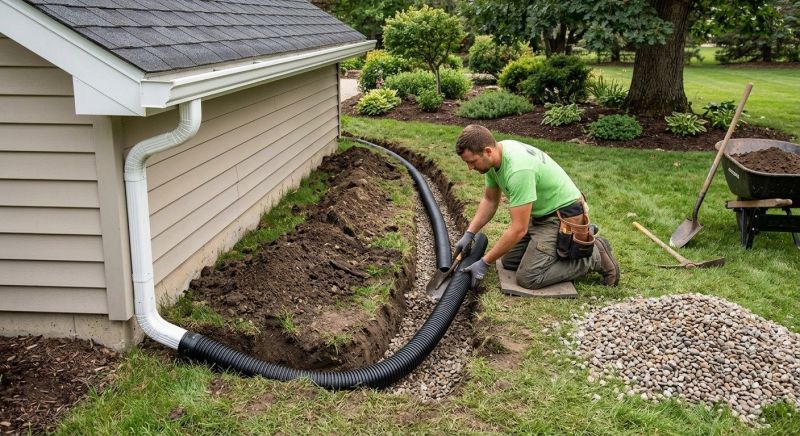
Downspout trenching services involve excavating a narrow channel from a building’s downspout to an appropriate drainage area, helping to direct rainwater away from the foundation and prevent water damage. This service is commonly used during gutter installation or replacement projects, as well as when existing drainage systems need to be extended or improved. Property owners typically request trenching to ensure proper water flow, reduce soil erosion around the property, and protect the structural integrity of the home.
Before requesting downspout trenching, homeowners should consider the layout of their property, including the location of existing drainage pathways and nearby landscaping or utilities. It’s important to determine the best drainage destination, such as a storm drain, yard drain, or dry well, to ensure effective water management. Clear communication about the property’s terrain, drainage goals, and any underground utilities can help facilitate a smooth trenching process and ensure the system functions as intended.
Many property owners in Houston, TX look into Downspout Trenching for repairs, replacements, upgrades, and appearance-related improvements.
Common Downspout Trenching Jobs
Downspout trenching involves creating underground channels to direct rainwater away from the foundation.
Foundation drainage helps prevent water buildup that can cause structural issues.
Yard drainage solutions improve water flow and reduce pooling around the property.
Gutter downspout extensions are installed to carry water further from the home’s foundation.
Erosion control involves trenching to protect landscaping and soil stability.
Stormwater management systems are designed to handle heavy rain and reduce flooding risks.
Downspout Trenching Questions
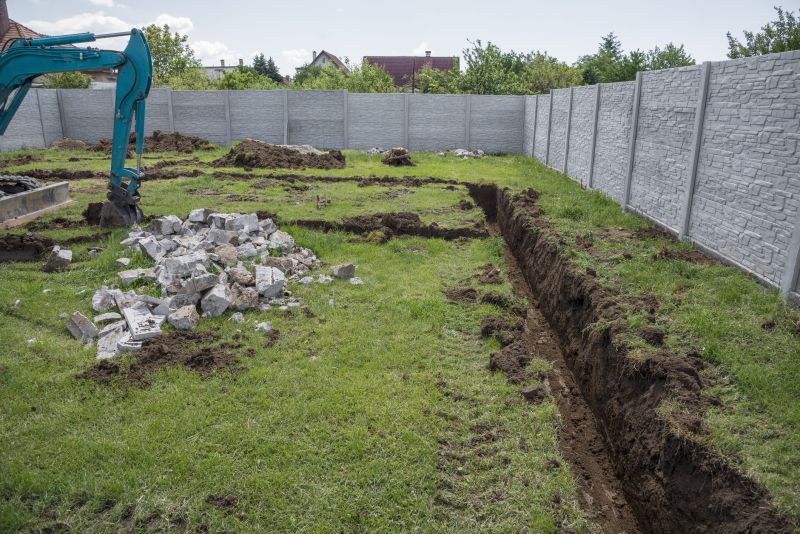
What is downspout trenching? Downspout trenching involves digging a shallow or deep channel to redirect rainwater away from the foundation and prevent water damage.
When is downspout trenching needed? It is typically needed when existing downspouts cause pooling or erosion around the property’s foundation or landscape.
What types of projects require trenching? Projects include installing new downspouts, extending existing ones, or repairing damaged drainage systems to improve water flow.
How does trenching improve drainage? Trenching directs water away from the home’s foundation, reducing the risk of water intrusion and landscape erosion.
Request Downspout Trenching in Houston, TX
Use the quote form on this page to share the basics of your project and request more information for the type of work you need.